Muscle Recovery in Murfreesboro, TN
Soreness after exercise is normal, and recovery is the part of training where the body adapts. Knowing what is typical and what is not makes it easier to plan.
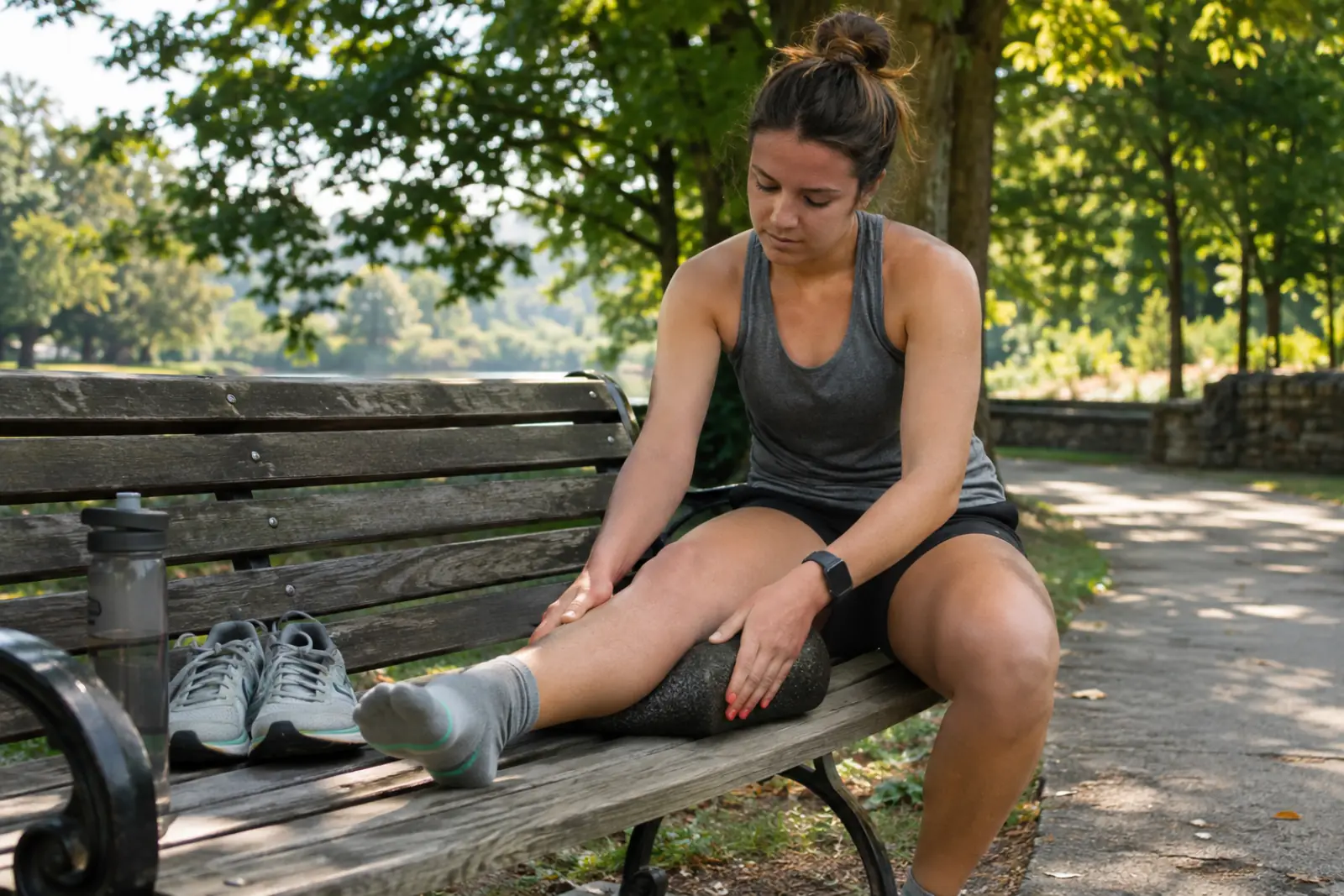
What recovery actually is
Recovery is the time and conditions the body needs after effort: sleep, food, hydration and lower-load days. Tools such as massage, stretching, heat and cold are often used to feel better and move more easily in that window.
Soreness versus pain
Delayed onset muscle soreness usually builds a day or two after unfamiliar or hard exercise and eases over several days. Sharp pain, joint pain, swelling or pain that is getting worse are different, and are worth discussing with a clinician.
Planning the week
People who train regularly benefit from rotating hard and easy days and scheduling recovery on the days after the hardest efforts. A simple weekly plan often works better than ad-hoc catch-up.
What this guide covers
- Ordinary soreness after hard effort
- Rest versus recovery tools
- Pacing a training week
- Lower-load movement days
- Questions for a provider
- When pain needs clinical care
Signs your recovery needs attention
- Soreness changes how you move
- Hard sessions keep stacking up
- Sleep or appetite shifts after training
- You feel pressure to train through pain
- A routine session leaves you unusually depleted
A practical approach
Notice the pattern
For a week, note the sessions that leave you most tired, sore, or less able to move comfortably. Also note sleep, food, work demands, and travel. The point is not self-diagnosis. It is to see whether the problem follows a pattern that can be adjusted before it becomes a larger interruption.
Plan an easier day
Place a lower-load day after the hardest workout, practice, game, or long shift when you can. That may mean ordinary walking, gentle movement, or rest. If you are returning after illness, surgery, or injury, ask a clinician how activity should progress instead of making the decision from soreness alone.
Use comfort tools carefully
Some people find warmth, cold, gentle movement, or massage comfortable after exercise. Availability at a wellness center varies, and evidence for specific tools is mixed or short term. Ask what is offered and when it should be avoided. Never use a comfort tool to ignore sharp pain, new swelling, or altered movement.
Review before repeating
Check how you feel later that day and the next day, not only in the moment. If the plan is sustainable, keep it simple. If symptoms worsen, movement changes, or pain persists, stop experimenting and seek advice from a qualified clinician. A wellness service is not an assessment for an injury.
Common approaches compared
Rest, sleep, and food
These are the foundation of recovery rather than optional extras. Their importance is broadly supported, but the right amount varies with the person and training load. A wellness visit can sit alongside these habits, not replace them. Concerns about fatigue, nutrition, or disrupted sleep should be discussed with a clinician.
Gentle movement
Easy walking or controlled mobility can feel better than total stillness for some people after ordinary training soreness. Evidence for regular physical activity is strong for general health, but that does not mean every sore area should be moved through. Keep effort comfortable and get clinical advice for an injury or concerning pain.
Massage or similar services
Massage is widely used for wellness and comfort. NCCIH describes evidence for several pain uses as weak, limited, or short term, so it should not be presented as a fix. If 1Self Wellness offers hands-on care, ask about training, pressure, cost, contraindications, and whether your health history makes it unsuitable.
Questions to ask before you book
Prices and service details are not confirmed here. Clear answers before booking help you choose without pressure.
- What is available for a first visit?
- How long does the visit last?
- What does the stated price include?
- What health information should I share?
- What is the cancellation policy?
Muscle Recovery in Murfreesboro
MTSU students and athletes often balance classes, practices, work, and a changing schedule. A simple plan that fits a normal week is more useful than an elaborate routine that disappears when life gets busy. If pain, sleep, stress, or an injury is affecting daily life, start with a qualified clinician rather than a wellness visit.
For people commuting between Murfreesboro and Nashville, a long drive can sit beside work, training, and family responsibilities. A small transition, such as water, an easy walk, or quiet time, may be easier to repeat than a major reset. New numbness, weakness, severe pain, or symptoms after a crash need medical attention.
For people walking or running outdoors in Murfreesboro, hot, humid summer weather can change what feels comfortable. Reduce effort as needed, take breaks, and pay attention to heat symptoms. Confusion, fainting, chest pain, trouble breathing, or severe headache are urgent concerns and should not be managed through a wellness appointment.
Why a dedicated recovery space helps
Recovery starts with the basics
10.9% U.S. adults who reported massage use in 2022
Sleep, food, rest, and sensible pacing are the foundation of recovery. Wellness tools may fit around those basics, but they do not replace them or provide a medical assessment. Massage is one commonly discussed option, although exact services at 1Self Wellness are not confirmed. Ask what is available and whether it is appropriate for your health history.
Source: NIH National Center for Complementary and Integrative Health
A calmer routine can be repeated
6.4% U.S. adults who used guided imagery and/or progressive muscle relaxation in 2022
A brief cue, such as slow breathing, quiet time, or progressive muscle relaxation, can help create separation after a full day. It does not need to be perfect to be useful. These are supportive practices, not treatment for anxiety, depression, trauma, or another mental-health condition. Persistent distress deserves help from a qualified clinician.
Source: NIH National Center for Complementary and Integrative Health
Comfort and safety guide the choice
1,165 participants in a review of slow-breathing studies
Research on many recovery and relaxation approaches is mixed, varies by person, and does not replace clinical care. Start with what feels comfortable, share relevant information, and stop if something causes pain or dizziness. A clinician should guide decisions about an injury, unexplained symptoms, medications, pregnancy, mental-health concerns, or a diagnosed condition.
Source: NIH National Center for Complementary and Integrative Health
Who this fits
- Regular gym-goers and runners
- Students and athletes with heavy training weeks
- People returning to exercise
- Anyone who wants a recovery routine
Questions about muscle recovery
Is soreness after exercise always normal?
No. Ordinary delayed soreness can happen after unfamiliar activity, but sharp pain, joint pain, swelling, numbness, or worsening pain are different. Stop the activity and speak with a clinician. A wellness service should not be used to push past a possible injury.
Can massage prevent an injury?
It should not be relied on to prevent or manage an injury. Massage is often used for wellness and comfort, but evidence for specific outcomes is limited or mixed. A clinician, athletic trainer, or physical therapist can help assess injury risk, pain, or a change in movement.
Is a wellness recovery center medical care?
No. Wellness services may support comfort or routine, but they do not diagnose, treat, cure, or heal medical or mental-health conditions. See a qualified clinician for pain, injury, persistent sleep trouble, mental-health symptoms, medication concerns, pregnancy-related questions, or another health condition.
What should I share before a visit?
Tell the provider about relevant injuries, health conditions, pregnancy, medications, recent procedures, skin concerns, and other safety information. Ask whether you should obtain clearance from your clinician. If a safety question cannot be answered clearly, pause and seek professional medical advice first.
What if something feels wrong afterward?
Stop the activity or service and note what changed. Escalating pain, dizziness, swelling, numbness, weakness, or other concerning symptoms need clinical advice. Seek urgent care for sudden or severe symptoms. A wellness provider should not be asked to assess an acute medical problem.