Stress and Relaxation in Murfreesboro, TN
Stress shows up in the body as tension, shallow breathing and poor sleep. A quiet space and a few simple habits can help you shift gears.
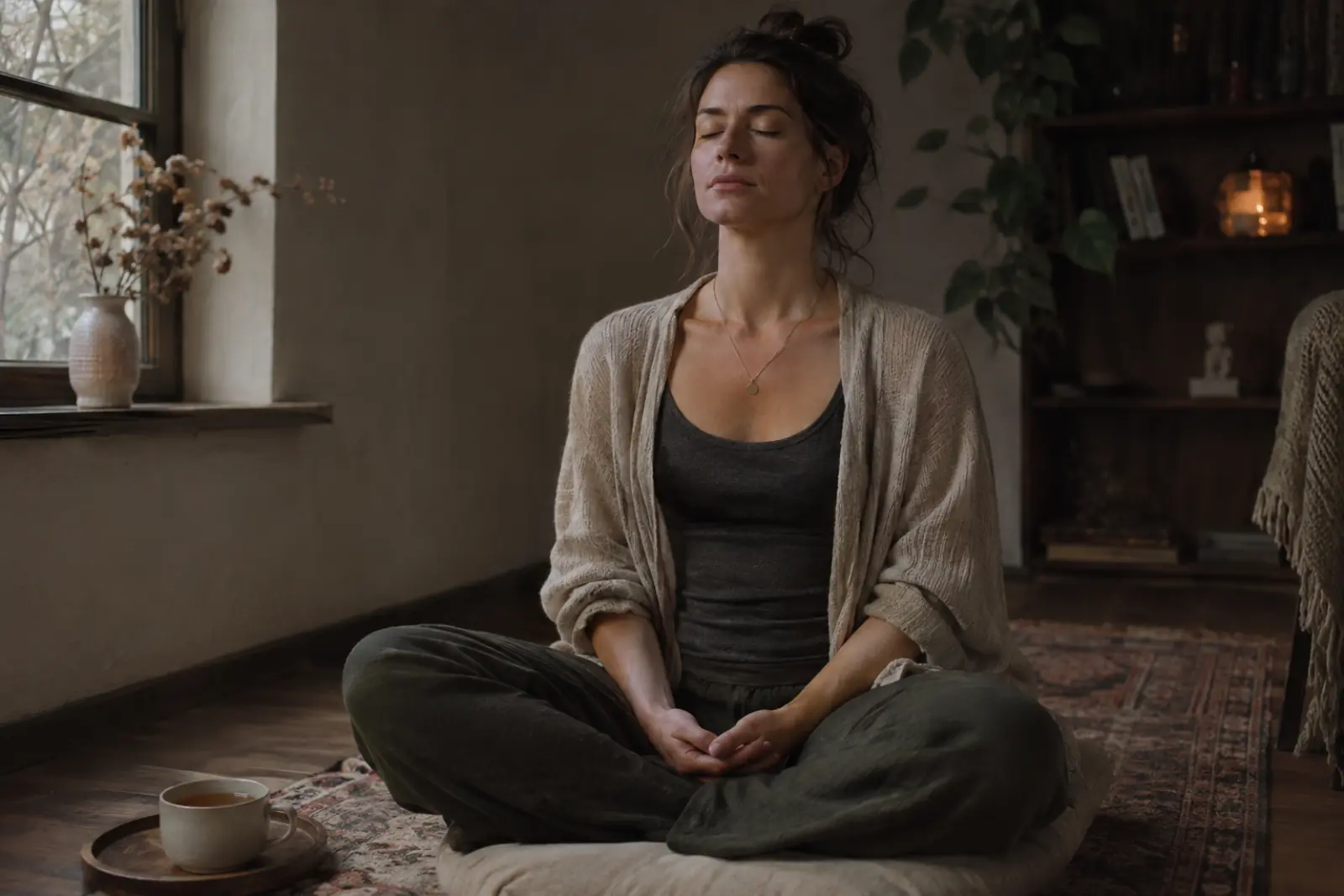
Why a dedicated space helps
Many people never fully switch off at home, where work and chores are in view. A separate, calm place makes it easier to slow down, breathe and let muscles release.
Simple tools that work
Slow breathing, gentle movement, warmth and quiet are low-risk and widely used. They do not replace care for anxiety or depression, but they can sit alongside it.
Building the habit
A short, regular visit usually does more than an occasional long one. Pairing it with a fixed time in the week makes it stick.
What this guide covers
- A transition after demanding days
- Low-pressure relaxation practices
- Making calm habits repeatable
- Limits of a wellness setting
- Questions about available services
- When clinical care matters
Signs your recovery needs attention
- Tension stays after work is over
- Attention is scattered in the evening
- You skip basics to keep up
- You cannot recall an unhurried hour
- Stress affects relationships or safety
A practical approach
Name the transition
Choose a reliable point between obligations and the rest of your evening. It might be after class, after the commute, or after training. Giving that moment a name makes the routine deliberate. The aim is simply to reduce stimulation for a while, not to force yourself to feel calm immediately.
Pick one simple cue
Try slow breathing, quiet sitting, a short walk, or gentle stretching within your comfort range. Keep the cue simple enough for an ordinary weekday. Relaxation can be a supportive habit, but evidence varies and it does not replace assessment or treatment for ongoing anxiety, depression, or trauma symptoms.
Protect the quiet
Put away the task list and silence notifications if you can. A calmer setting can make it easier to notice tension and breathing without asking you to solve every problem at once. If you visit a wellness center, ask whether it offers quiet space or guided options rather than assuming what is included.
Check the bigger picture
A routine is working when it helps make room for sleep, meals, movement, and connection over time. If stress is persistent, affects safety, brings panic, or is paired with hopelessness or low mood, talk with a licensed mental-health professional or clinician. Wellness practices can accompany care, not replace it.
Common approaches compared
Slow breathing
Slow breathing is accessible and needs no equipment. NCCIH describes some promising findings, while noting that study quality and methods differ. It is a practice for settling attention, not a treatment for a medical condition. Stop if you feel dizzy or more distressed, and seek clinical support for persistent symptoms.
Progressive muscle relaxation
This approach alternates gently tensing and releasing muscle groups. It can help some people notice where they hold tension. NCCIH reports use of guided imagery or progressive muscle relaxation, but evidence for particular conditions is mixed. Use it as a supportive routine rather than a cure for stress-related symptoms.
A quiet wellness visit
A separate setting may make it easier to pause when home or work feels crowded. The effect is personal, and there is no reason to promise a clinical result. Ask 1Self Wellness what is actually available, how a first visit works, and whether it is suitable given your health history or current care.
Questions to ask before you book
This guide does not list services or prices because those details are not confirmed. These questions keep the conversation clear.
- Is this quiet space or a guided service?
- How much time should I allow?
- What should I wear or bring?
- Who should avoid this service?
- What is the total price and policy?
Stress and Relaxation in Murfreesboro
MTSU students and athletes often balance classes, practices, work, and a changing schedule. A simple plan that fits a normal week is more useful than an elaborate routine that disappears when life gets busy. If pain, sleep, stress, or an injury is affecting daily life, start with a qualified clinician rather than a wellness visit.
For people commuting between Murfreesboro and Nashville, a long drive can sit beside work, training, and family responsibilities. A small transition, such as water, an easy walk, or quiet time, may be easier to repeat than a major reset. New numbness, weakness, severe pain, or symptoms after a crash need medical attention.
For people walking or running outdoors in Murfreesboro, hot, humid summer weather can change what feels comfortable. Reduce effort as needed, take breaks, and pay attention to heat symptoms. Confusion, fainting, chest pain, trouble breathing, or severe headache are urgent concerns and should not be managed through a wellness appointment.
Why a dedicated recovery space helps
Recovery starts with the basics
10.9% U.S. adults who reported massage use in 2022
Sleep, food, rest, and sensible pacing are the foundation of recovery. Wellness tools may fit around those basics, but they do not replace them or provide a medical assessment. Massage is one commonly discussed option, although exact services at 1Self Wellness are not confirmed. Ask what is available and whether it is appropriate for your health history.
Source: NIH National Center for Complementary and Integrative Health
A calmer routine can be repeated
6.4% U.S. adults who used guided imagery and/or progressive muscle relaxation in 2022
A brief cue, such as slow breathing, quiet time, or progressive muscle relaxation, can help create separation after a full day. It does not need to be perfect to be useful. These are supportive practices, not treatment for anxiety, depression, trauma, or another mental-health condition. Persistent distress deserves help from a qualified clinician.
Source: NIH National Center for Complementary and Integrative Health
Comfort and safety guide the choice
1,165 participants in a review of slow-breathing studies
Research on many recovery and relaxation approaches is mixed, varies by person, and does not replace clinical care. Start with what feels comfortable, share relevant information, and stop if something causes pain or dizziness. A clinician should guide decisions about an injury, unexplained symptoms, medications, pregnancy, mental-health concerns, or a diagnosed condition.
Source: NIH National Center for Complementary and Integrative Health
Who this fits
- People with busy schedules
- Students during exams
- Shift workers with irregular sleep
- Anyone wanting a regular reset
Questions about stress and relaxation
Is relaxation a treatment for anxiety?
No. Relaxation practices may support a calmer routine, but they are not a substitute for assessment or treatment of anxiety, depression, trauma, or another mental-health condition. If symptoms persist, worsen, interfere with life, or affect safety, contact a qualified professional.
What if slowing down makes me more anxious?
Do not force a breathing or quiet practice that leaves you more distressed. Return to an ordinary grounding activity, such as a brief walk or speaking with someone you trust, and consider discussing the response with a mental-health professional, especially if it repeats.
Is a wellness recovery center medical care?
No. Wellness services may support comfort or routine, but they do not diagnose, treat, cure, or heal medical or mental-health conditions. See a qualified clinician for pain, injury, persistent sleep trouble, mental-health symptoms, medication concerns, pregnancy-related questions, or another health condition.
What should I share before a visit?
Tell the provider about relevant injuries, health conditions, pregnancy, medications, recent procedures, skin concerns, and other safety information. Ask whether you should obtain clearance from your clinician. If a safety question cannot be answered clearly, pause and seek professional medical advice first.
What if something feels wrong afterward?
Stop the activity or service and note what changed. Escalating pain, dizziness, swelling, numbness, weakness, or other concerning symptoms need clinical advice. Seek urgent care for sudden or severe symptoms. A wellness provider should not be asked to assess an acute medical problem.